Friday 7 May 2027 · Applications close 12:00 Friday 20 November
Wild West Country
Still wild. Less West Country.
Five days, around 750 kilometres and a cut-off generous enough that finishing is a realistic goal for most cyclists with the right preparation, gearing and mindset. For 2027 the route heads into Wales, out to Cardigan Bay and back.
The event
Five days around the finest lanes we can find
Wild West Country is a single-stage, self-supported ride of around 750 kilometres with roughly 11,500 metres of climbing, starting and finishing at The Bike Drop in Brimscombe.
It began in 2022 as the event most people could realistically finish, and it has brought a wave of first-timers into the sport since. The format is simple: a fixed route, a handful of selfie checkpoints, one manned checkpoint, a GPS tracker so your people can follow you, and a cut-off generous enough to allow for sleep, cafés and the odd wrong turn.
Five editions looped the south-west. For 2027 the route heads into Wales instead: over the Severn Bridge, out to Cardigan Bay at Aberystwyth and back through the Elan Valley, the Shropshire Hills and the Malverns, finishing with parts of the Cotswolds we’ve never used before. A similar distance and profile, with all-new scenery.
Who this event is for
Most of our first-timers start here
You don’t need to have done anything like this before. You need to be able to ride a long day, then get up and do it again, and to be honest with yourself about gearing.
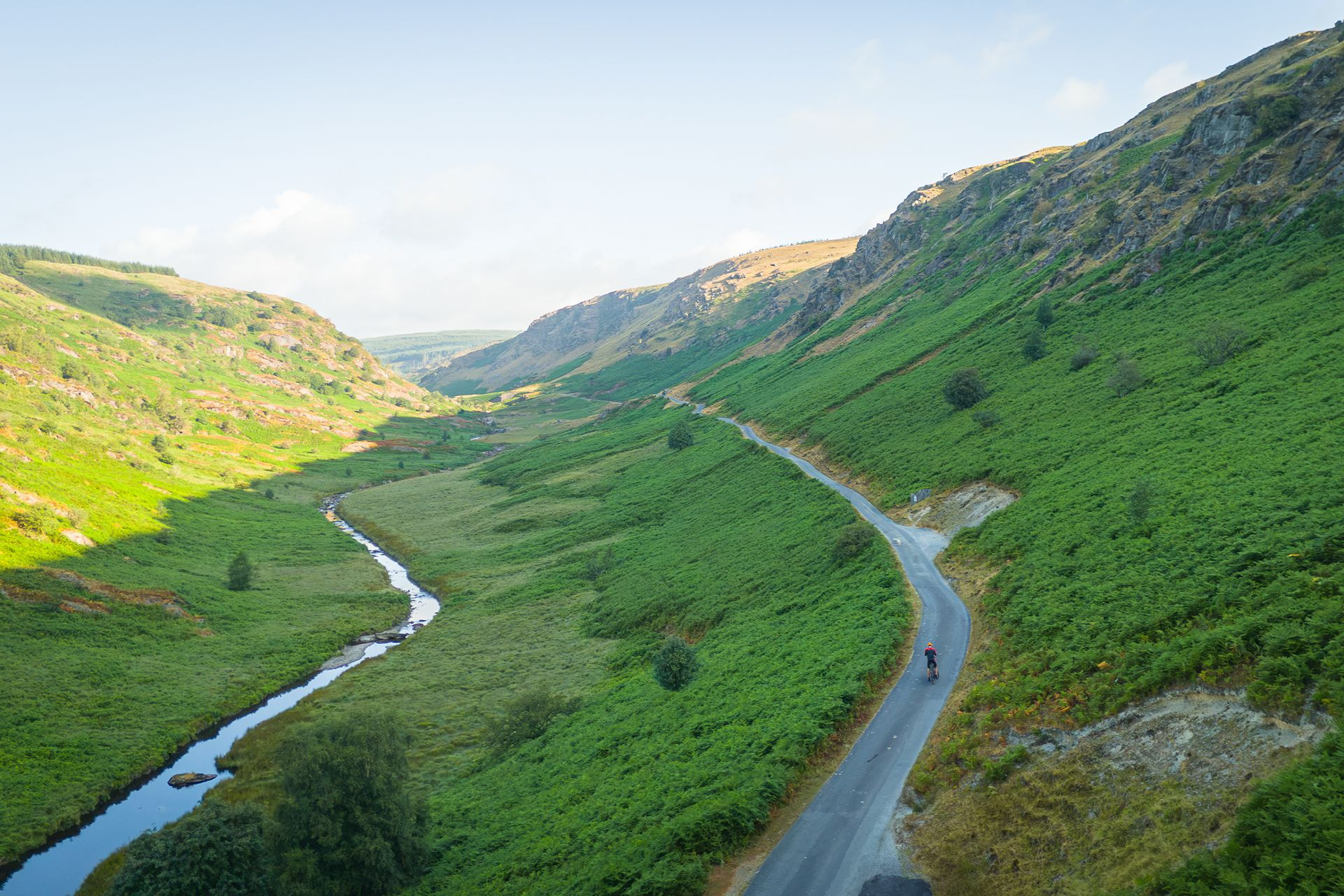
The climbs mix short, steep lanes with longer Welsh passes, but nothing alpine. The cut-off is five days. You can pre-book beds along the way if that makes the whole thing less daunting, and plenty of people do. Over the last three editions, somewhere between 60% and 75% of starters have finished, and a good proportion of them were on their first ultra.
It’s also our most popular event, so places are allocated by a weighted lottery rather than a first-come scramble. You apply, you wait a couple of weeks, we let you know.
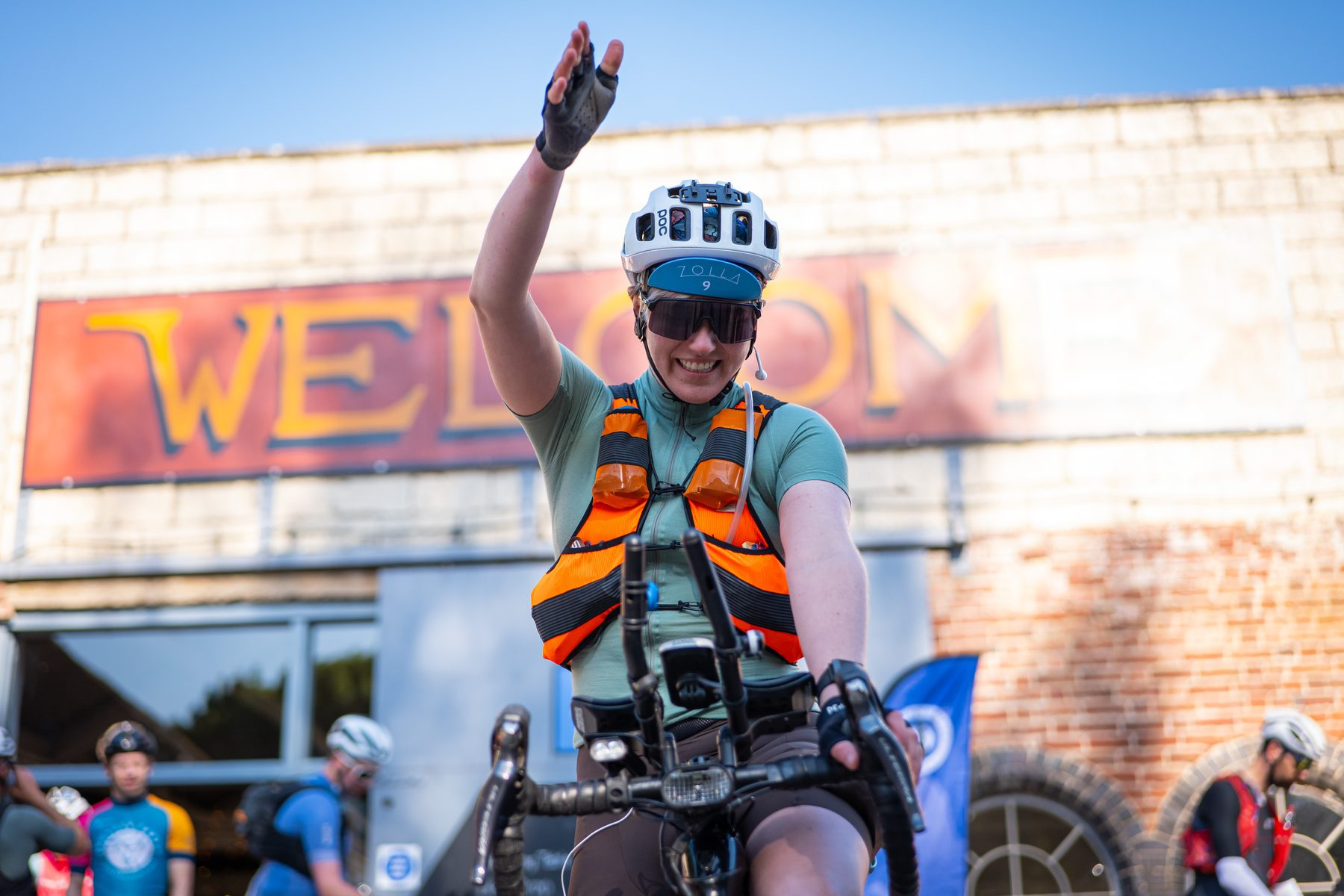
“It does not really feel like a race, not at all. Most riders are there for the experience and as a personal challenge, and there’s lots of camaraderie.”
First-time ultra rider, Wild West Country
The route
West of somewhere
Provisional for 2027. Checkpoint locations to be confirmed.
After five editions around the south-west, Wild West Country heads into Wales. Still wild, a little wilder in fact, with a similar distance and profile to before: around 750 kilometres and 11,500 metres of climbing, almost all of it on quiet roads.
What stays the same: the start and finish at The Bike Drop in Brimscombe, the selfie checkpoints, one manned checkpoint, the five-day cut-off and the lenient attitude to pre-booked beds. What changes: almost everything you’ll ride past.
The warm-up
Over the bridge and into Wales
Over the Severn Bridge, through the old railway tunnel at Tidenham – with lights off to avoid scaring the bats – and into Wales. Head towards the Black Mountains and over Gospel Pass – the highest point of the route. Descend down to Hay-on-Wye before continuing towards the wonderfully named Painscastle.
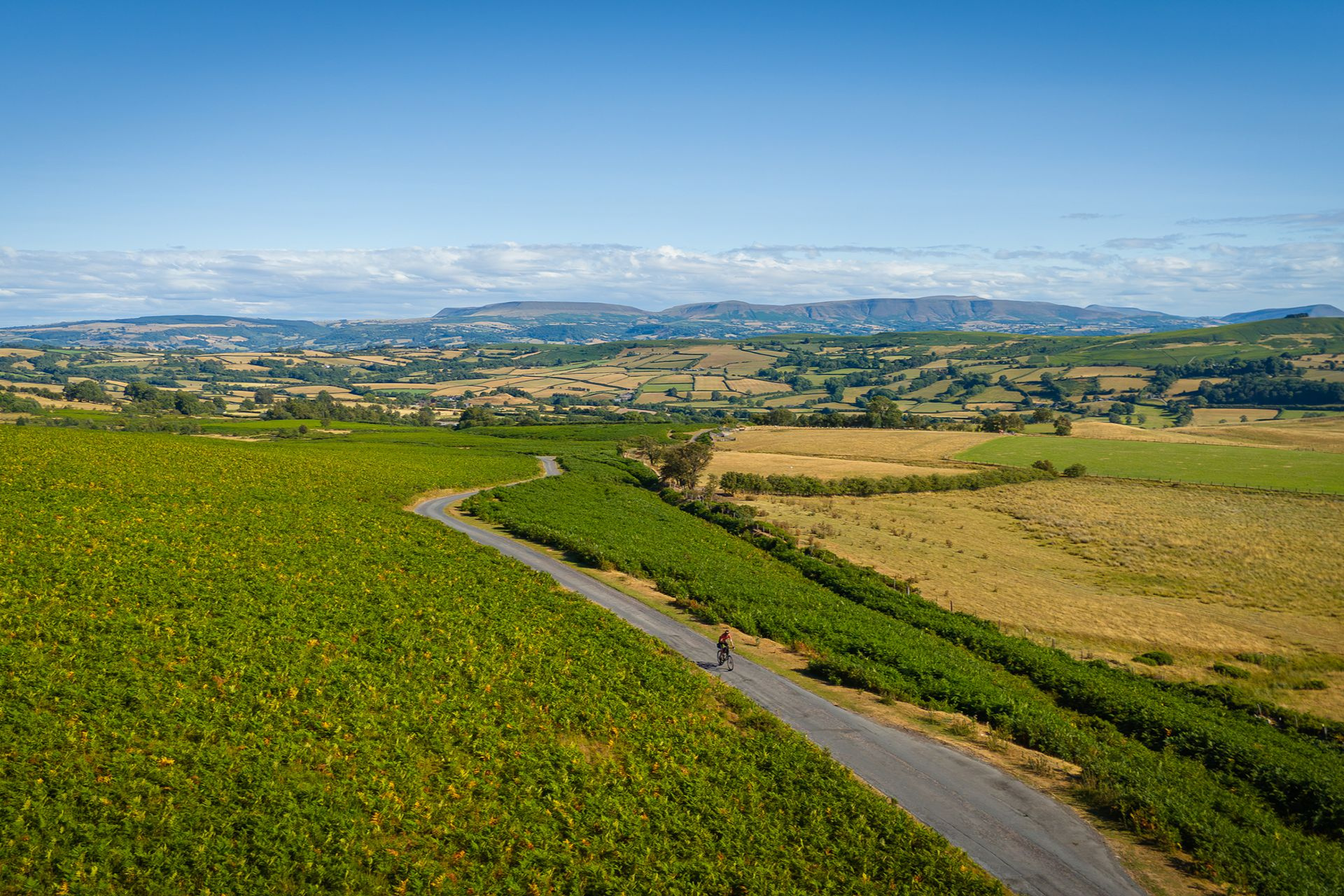
Second breakfast
Llyn Brianne and the Green Desert
Through Builth Wells and up into the emptiest hills in Wales, via the aptly named Devil’s Staircase. The road around Llyn Brianne winds above the water for miles, and the mountain road to Tregaron crosses the Green Desert: open upland with barely a building in sight.
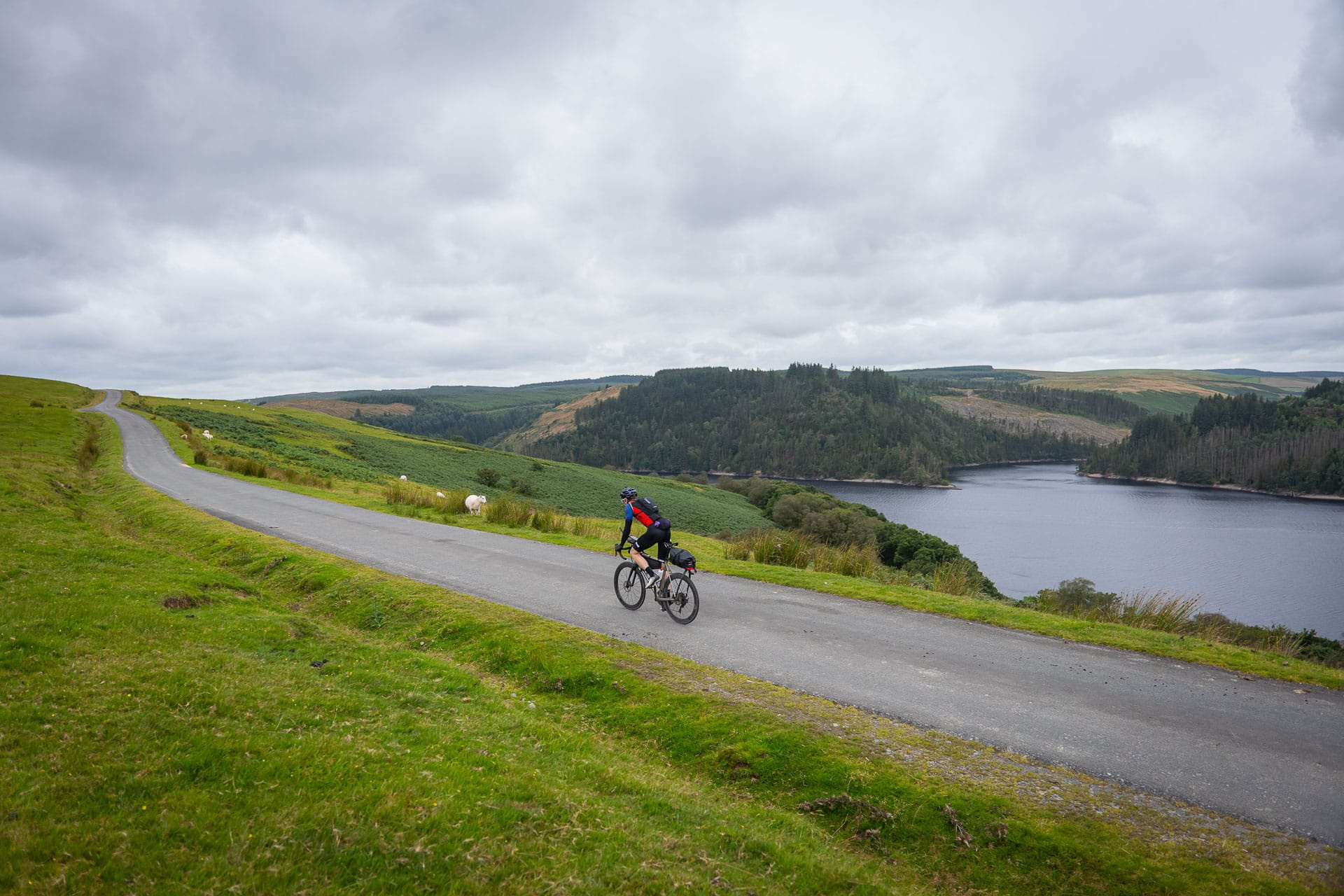
Fish and chips
Aberystwyth and Cardigan Bay
The route reaches the sea at Aberystwyth, about 300 kilometres in and as far west as it goes. Climb up Consititution Hill for panoramic views of the bay below. Then turn for home, heading back into the hills past the remote Nant-y-Moch reservoir.
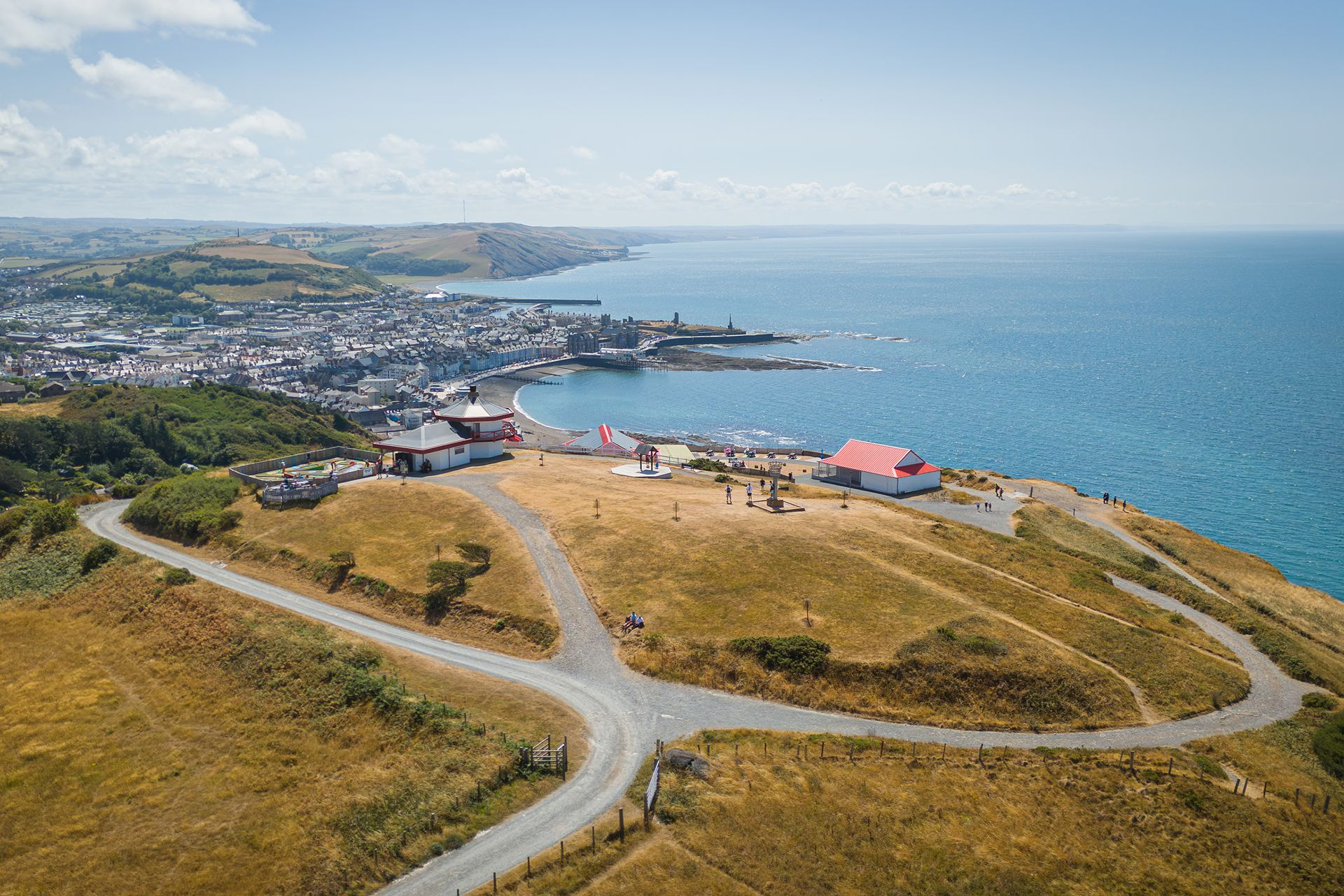
Halfway
Devil’s Bridge and the Elan Valley
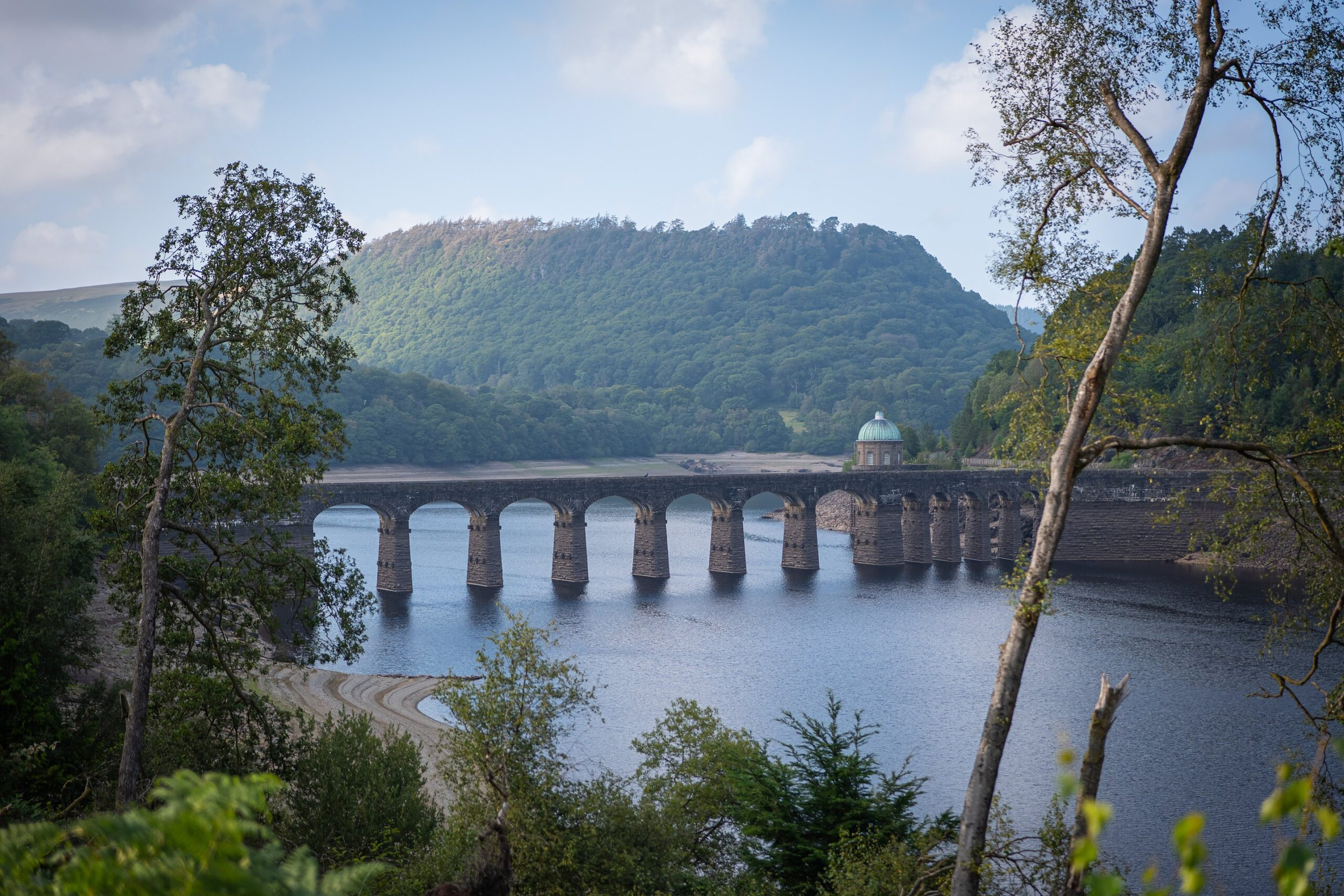
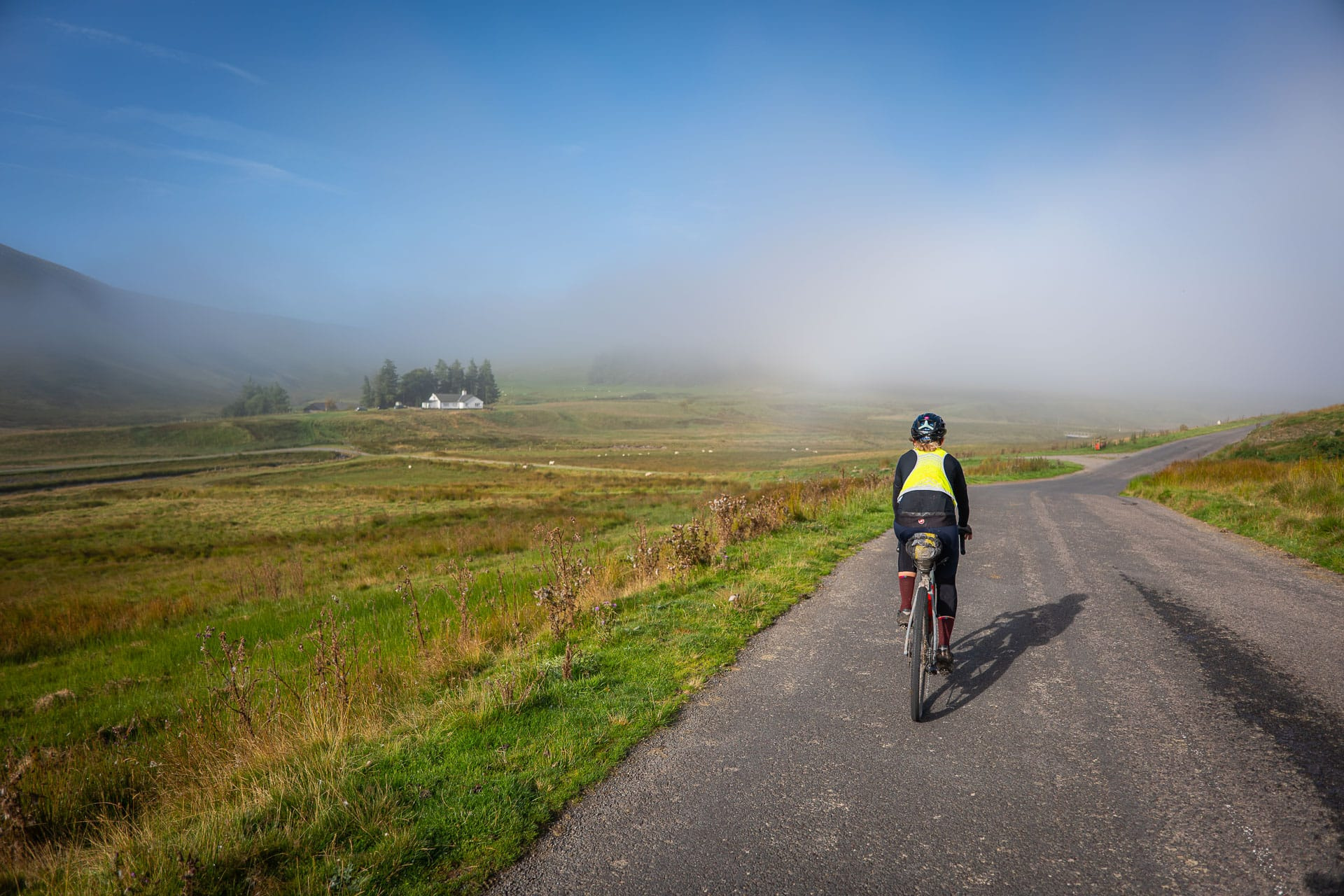
Over Devil’s Bridge and head through the Elan Valley’s chain of reservoirs – some of the most beautiful riding in central Wales. Here, the valleys are empty, aside from the odd farmhouse and roaming flocks of sheep. Reach Rhayader at almost exactly the halfway mark. The plan is for a staffed checkpoint to be located around here.
Second wind
The Shropshire Hills, Clee Hill and the Malverns
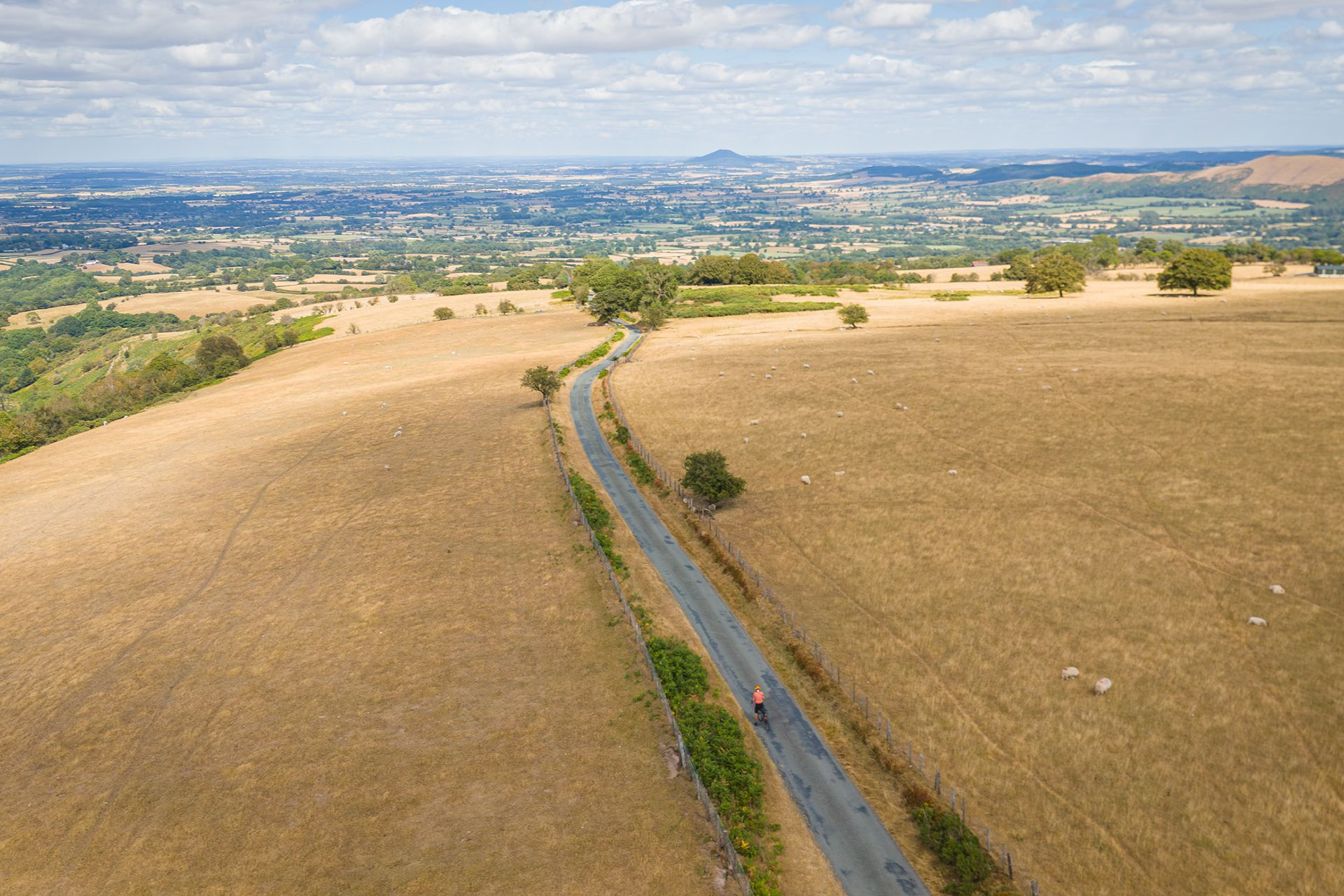
Head back into England and up Clee Hill for an out-and-back adventure. With its lunar landscape and panoramic views, this is a memorable spot. Then continue over the Shropshire Hills, waking up the legs once more, before swinging south via the Malverns – with their much gentler gradients.
Home straight
A tour of the Cotswolds
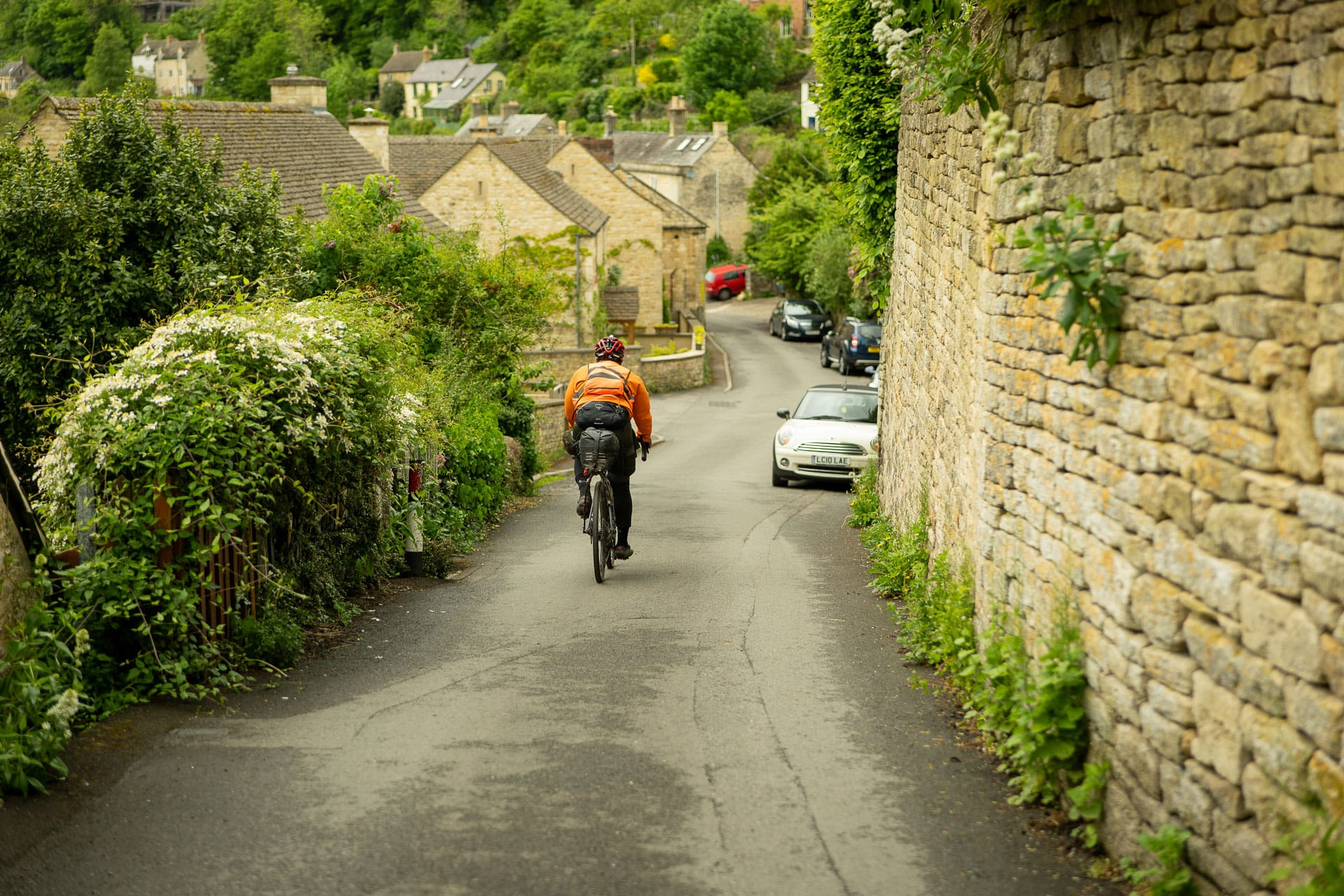
The last stretch takes in parts of the Cotswolds that Wild West Country has never used, through Broadway, Chipping Campden and Stow, before the run back to Brimscombe.
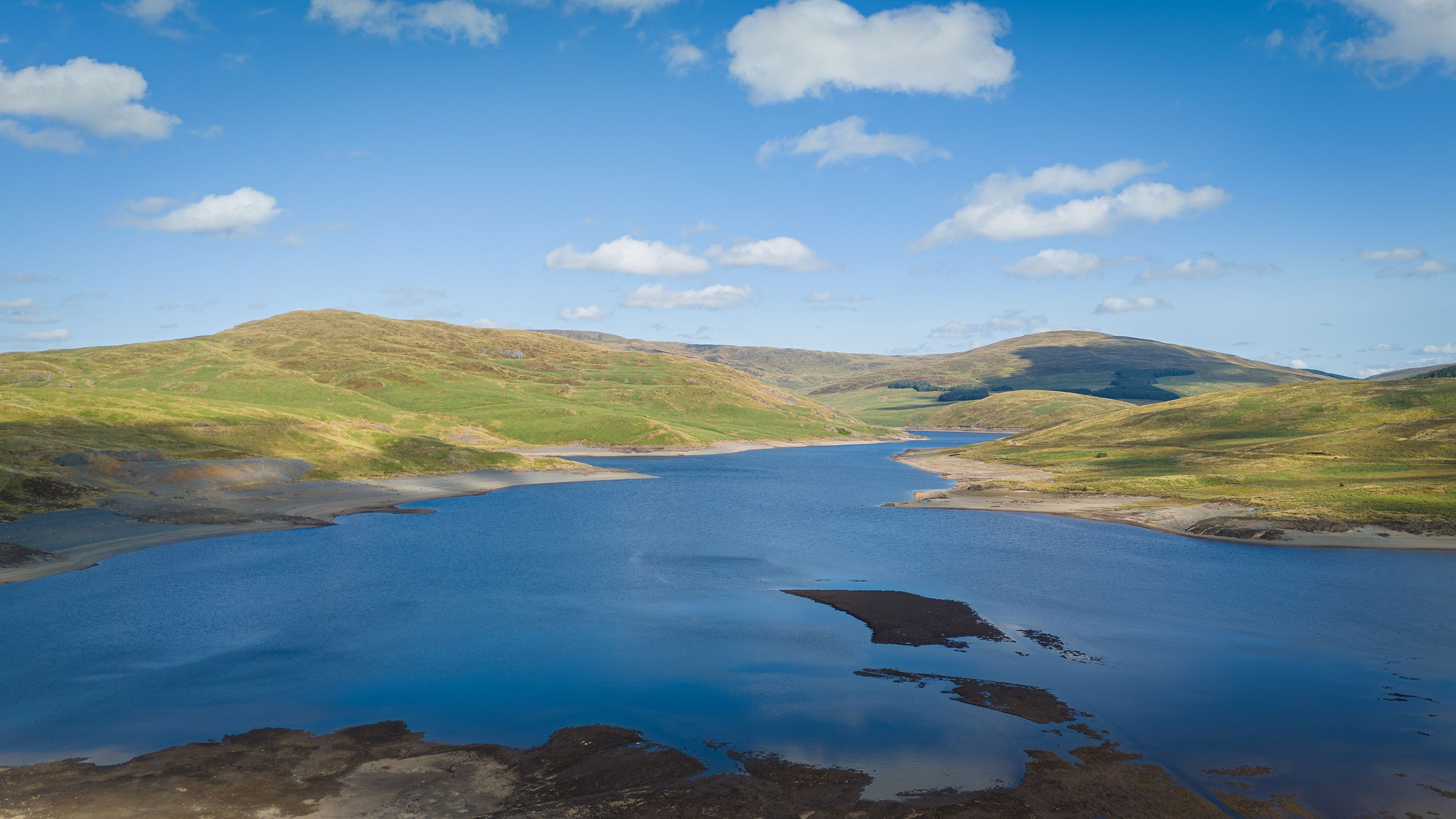
Every steep climb comes with a view to make up for it.
Nant-y-Moch
The route map
Provisional route
This is the provisional 2027 route and checkpoint locations are still to be confirmed. The final GPX arrives about six weeks before the start.
The essentials
Dates, places, numbers
| Registration and briefing | Thu 6 May 2027, afternoon, The Bike Drop |
| Start | Fri 7 May 2027, 09:00, in waves |
| Finish cut-off | Tue 11 May 2027, 20:00 |
| Format | Single stage, self-supported |
| Distance / climbing | ~750 km / ~11,500 m |
| Checkpoints | Selfie checkpoints plus one staffed, locations to be confirmed |
| Tracking | Follow My Challenge GPS tracker, provided |
| Entry fee | £170 (£10 off if you pledge not to fly or drive) |
What your entry includes
And what it pays for
- Entry, GPX route file and a detailed rider manual about six weeks out
- Live GPS tracking throughout, tracker included
- Registration, briefing and dinner at The Bike Drop
- Coffee and pastries at the start from The Long Table
- A staffed checkpoint on the route
- A numbered cotton cycling cap in the 2027 design
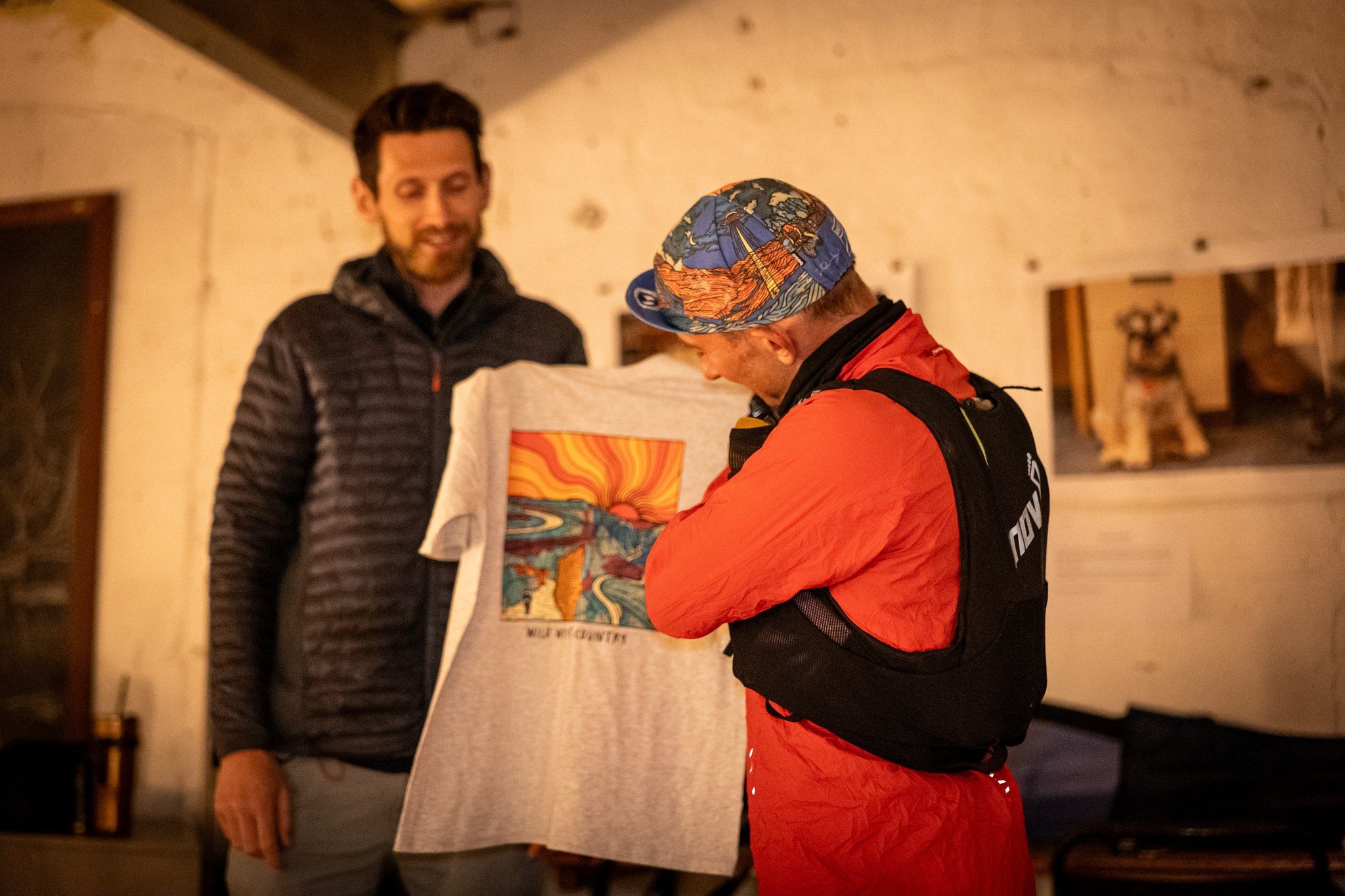
- A t-shirt, stamped if you finish
- Copies of every photo we take of you, for personal use
- Carbon offsetting for the event’s emissions
- £75 off a Zolla wheelset
- A meal paid forward for someone in the local community via The Long Table
Most of the fee goes on coverage and photography during the event: the people on the road, their accommodation and transport. The rest covers trackers, caps, t-shirts, insurance and venue costs. Anyone we pay is paid by the day, so there’s no incentive for us to make the ride more profitable. More on where the money goes.
The finish
Whatever the hour
You’ll roll back into the yard at Brimscombe Mill. Someone from the team will be there, whether it’s lunchtime on Sunday or 3am on Tuesday.
There’ll be a stamp for your t-shirt, a photo, a friendly face and a sit down. If The Long Table is open there’ll be proper food. The pub is a short walk. Most people stay long enough to see a few more riders in, because by then you’ll know their names too.
Getting a place
How the lottery works
Everyone who applies goes into a draw. There are three pools: one for new riders, one for returning riders and one for riders who have one or more characteristics that would make the start line more diverse. Everyone is in one of the first two. Some people are also in the third, which effectively gives them two tickets.
We chose a lottery over a selection panel because it’s less work for a small team, more transparent and harder to accuse of favouritism. It doesn’t exclude anyone. It nudges the odds.
Applications close at 12:00 on Friday 20th November and we’ll let everyone know the outcome by Friday 27th November. If you’re successful you’ll have a few days to pay and confirm. If you’re not, we’ll keep a waiting list.
If something other than the odds is holding you back, whether that’s money, confidence or not knowing anyone, email us. We’ve offered free places before and we’d rather hear from you than not.
Follow along
Half the fun is watching the dots
Your family will know where you are, what you ate in Aberystwyth and what you said about the hill afterwards.
1
Live tracking
Every rider carries a GPS tracker from Follow My Challenge. Watch the map, check the leaderboard, send a message to a dot you care about.
2
Commentary
A volunteer commentator writes the story of each day on DotWatcher. Expect weather, food and the occasional lamb rescue.
3
From the roadside
Our roving reporters post photos and updates from the route several times a day. Everyone gets found at least once.
Questions
Things people ask
You say this is perfect for newcomers, so why have you put so many challenging climbs in it?
It’s commonly thought that making a route flatter is the best way to make it more accessible. There is some truth to this, but it overlooks why you would take on a challenge like this in the first place. Flat riding is generally less rewarding, less varied and less beautiful. The gradients will test you, but the views are worth the effort, and gentler sections in between let you recover before the next batch of climbs. Believe it or not, the route could contain more hills, so we have exercised some restraint. It is the length, the lenient cut-off and the logistical convenience that make Wild West Country a good choice for newcomers. We firmly believe it acts as a natural stepping stone to more challenging events, and having seen several riders go on to finish epics like the Transcontinental, it seems to be working.
What does unsupported mean?
It means that you can make use of any publicly available commercial facilities during your ride, e.g. shops and hotels. Or you can use items that you brought with you from the start. You cannot rely on any help that would not be available to all riders, e.g. staying with friends, assistance from other riders or supply stashes.
How many entries are available?
There are 60 places. We limit our entries to a lower level than many other events. The rule of thumb has always been that we need to be able to remember everyone’s name, and that dictates the maximum number of riders. Beyond this, we also consider logistical constraints and want to make sure we photograph every rider, ideally several times along the route.
How does the lottery work?
You can read about that here.
Can I leave a bag at the start?
Yes. The Bike Drop have kindly agreed to store a bag for you. We’ll give you a label to put on it at registration.
Where is the nearest train station?
Stroud is the nearest station, less than 15 minutes away by bike. It’s also the best place to park if you’re looking for a long-stay car park.
What gearing do you recommend?
This is very much a personal preference, but more gears would be no bad thing. Gravel gearing has worked well for tackling the steepest gradients in previous editions. If you take standard road gearing, you’ll be climbing out of the saddle a lot, so you need to be comfortable doing this.
Can I use my own tracker?
No. For simplicity’s sake (and to avoid using disposable batteries) we only use Follow My Challenge’s Queclink trackers.
Can pairs enter?
Yes, we have solo and pairs categories for all our events. When you enter, you can choose which you want to register for and will have the opportunity to say who your other half is if you’re entering as a pair.
Some other events have discounts for pairs, but please note that we don’t offer this. Our pricing is simply based on our costs and there are no cost savings for us if you enter as a pair.
What kind of bike can I use?
You will need a regular commercially available solo* upright bike. However, it’s important that it is suitable for the kind of riding that the event will entail, since our routes are designed to be challenging. The right equipment is required to ride them safely and to minimise risk. For example, that means your bike needs to have brakes capable of handling steep, sustained descents. If you have any concerns that your bike may not be suitable/appropriate, please get in touch and we will be happy to advise.
*Tandems are also permitted for TPA and WWC, but you will be placed in a separate category rather than the pairs one.
Can I book accommodation along the route in advance?
Yes, you can! We know that some events restrict this, but we don’t. There are several reasons for this, but it is partly to help reduce costs for riders and make things less daunting for those with less experience. For those looking to push themselves, pre-booking accommodation rarely works and often becomes a hindrance rather than a help. Therefore, we find it is normally only less experienced and less competitive riders who take advantage of this rule.
Can I use the photos taken during the event?
Yes! Everyone who takes part will be sent an album of all the photos taken during the event. This is typically several hundred and will include not just the best photos but a wide variety. We realise that a photo may have significance or importance to a rider beyond its pure aesthetics, so we try not to be too selective with our editing.
You are welcome to use these photos for personal use, which includes personal social media and personal blogs. Please credit The Perfidious Albion when you do this. You cannot use these photos for any kind of commercial use. However, we grant exceptions to this on a case-by-case basis for business blogs and social posts. Please ask for permission if you would like to do this.
Will friends and family be able to follow me during the event?
Yes! There are several ways that people can keep up with your progress during the event. You will have a GPS tracker provided by Follow My Challenge and this will be linked to a webpage, which we will share in the week before the start. Here, your dot will be visible and people will be able to follow your progress along the route.
As well as this, our team will be out on the route getting photos, videos and insight from all the riders. Our aim is to try and cover the whole field, meaning that everyone is intercepted at least once. A selection of photos and videos will be published as posts and stories on our Instagram account several times a day during the event, accompanied by brief updates on riders’ progress.
Finally, we have also teamed up with DotWatcher to provide in-event commentary on their site, accompanied by an embedded version of the event tracking map. Here, a commentator (either a volunteer or one of the team) will take you through each day’s events, giving an overview of riders’ progress as well as sharing any tales from the road.
Is this a race?
You may have noticed that we don’t describe any of our events as races. There are a few reasons for this, but the key thing is that we don’t want to define success or failure for you. For some people, just finishing is the main challenge. For others, they will have a set time goal in mind. Then some of you will think you aren’t competitive until you get sucked into an arduous day-long battle for mid-pack places. And, finally, there will be those that simply want to be first across the line.
Basically, whatever we call this event, you will probably ride it the way you perceive it anyway. The most important thing to remember is that it is just you against the route. Embrace this battle, see what the weather and mechanical gods throw at you along the way, and we’ll see you at the finish.
Because it’s not a race, what should I expect to be different?
As this isn’t a race, we really put the onus on riders to self-police when it comes to respecting the rules and being self-supported. We’re happy to advise and will definitely clarify any ambiguity for riders. But in the end, we’re all adults and there are no prizes, so there is a mutual understanding that the only person you’re cheating is yourself if you don’t respect the rules.
One of the areas that has come into focus in recent years is how strictly events define riding as self-supported. Because our events aren’t races, we intentionally take a slightly more relaxed view and stick to a definition that focuses on avoiding actions that gain a definite advantage, such as drafting, stashing kit etc. We are less worried about actions that could have a potential advantage, such as riding together for a couple of hours or pre-booking accommodation. Of course, we respect that races feel the obligation to prohibit these things and riders should be aware that different events have different rules.
Will you provide info on resupply along the route?
No! We will highlight where resupply options may be limited and will provide a general overview of the route in the rider guide that flags things like this, as well as other potential hazards. But we believe that thoroughly researching the route and doing your own preparations for the ride are an important part of the sport, as well as fitting within our definition of what self-supported means.
Plus, from a safety perspective, we think it’s important that riders familiarise themselves with the route and identify what kit they might need and how much food they should carry.
Where does my entry fee go?
There are some fixed costs associated with running events e.g insurance, web hosting etc., so a small part of the fee covers these. A larger part then covers things like trackers, caps and t-shirts. And then most of what is left (typically the majority with all our events) is used to pay for coverage and photography during the event. This includes logistical costs such as accommodation and transport, as well as staff costs. The final cost, which varies between events, is any start, finish and checkpoint fees that need covering.
It is worth noting that anyone paid during our events is only paid based on days worked, so there is no incentive to make our events more profitable. This means we usually invest in more photography (or a checkpoint during TPA23!) if we feel our budget can be increased. Any profit we do make is either reinvested into the events or given to charity. In 2023, we donated £300 to the bike project at Swindon Welcomes Ukraine.
Applications
Enter the lottery
Applications close at 12:00 on Friday 20th November. Fill in the form to enter your name into the draw. We’ll let everyone know the outcome by Friday 27th November, whether or not you’ve been successful.
Entry is £170 per person, with a £10 discount if you commit to travelling to and from the event without flying or driving.
Supported by